
Journal
Battery Disposal in Australia: State & Territory Guide
Nov
Battery Disposal Basics in Australia: How to Find Official State and Territory Guidance
Purpose and scope. Australia does not have one simple household drop-off rule that covers every battery, every battery-powered product and every local collection point. State and territory agencies, local councils and product-stewardship programs publish different instructions for loose batteries, removable batteries, embedded batteries, damaged batteries and larger energy-storage units. This guide explains how to locate current official advice. It is not a directory of guaranteed collection points and does not replace the instructions of the local authority or receiving facility.
Why battery disposal instructions differ
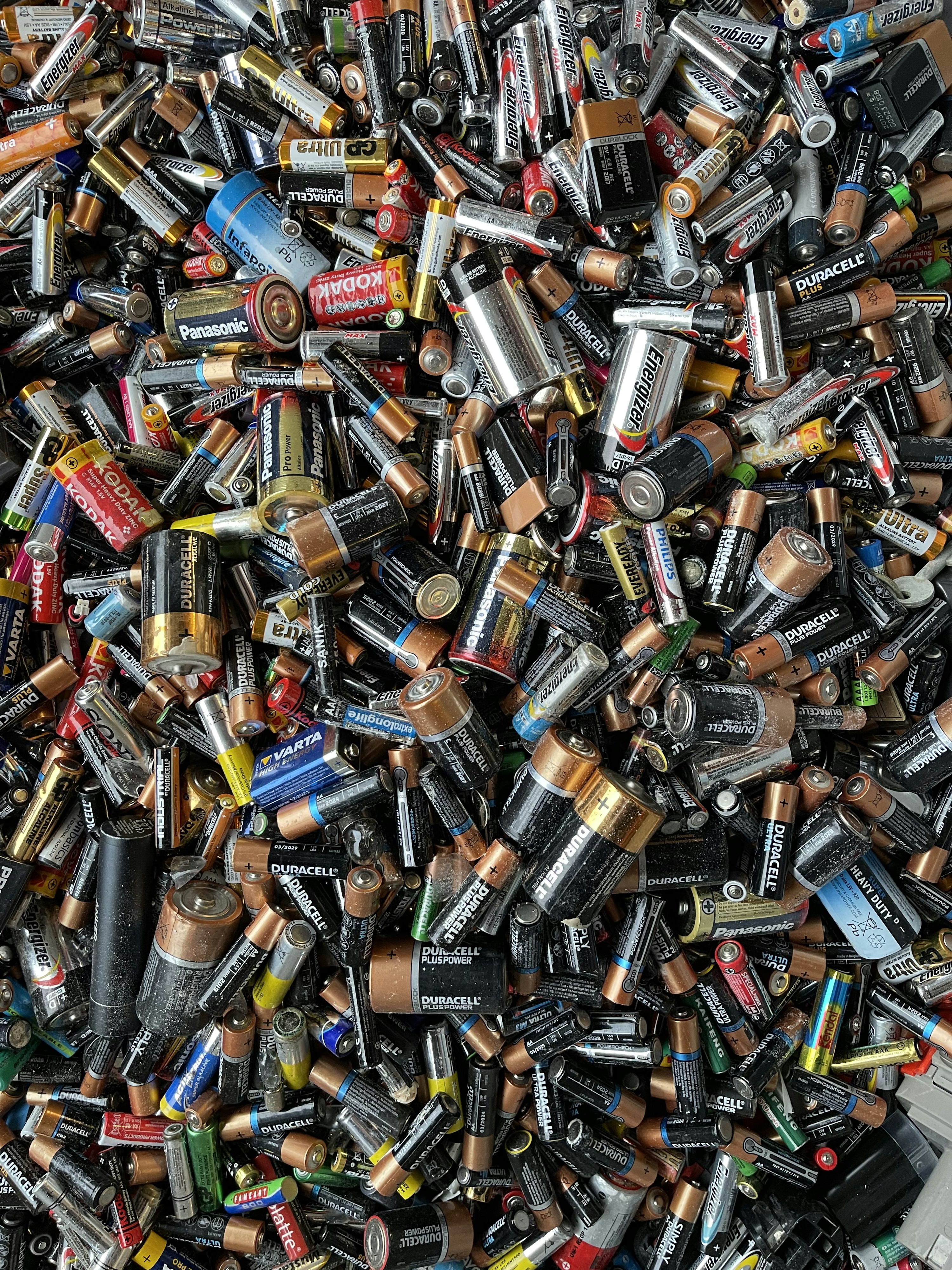
“Battery” describes a wide range of products and chemistries. A small alkaline household cell, a button cell, a removable rechargeable pack, a lithium-ion battery built into an electronic device, a lead-acid vehicle battery and a large home energy-storage system do not necessarily use the same collection channel. A drop-off bin designed for loose AA or AAA cells may not accept a complete electronic device or a swollen lithium-ion pack.
Battery collection rules also depend on local infrastructure and the collection program. A council may operate a resource recovery centre, host a periodic household chemical collection, accept embedded-battery devices at a designated trial site, or refer residents to a national scheme. A nearby retailer may accept only specified battery sizes and chemistries. The fact that a collection point exists in one suburb does not prove that another location operated by the same retailer accepts the same items.
For that reason, the safest sequence is: identify the item, select the relevant state or territory, check the local council’s current waste guidance, then confirm acceptance with the receiving site before travelling. National tools such as B-cycle and Recycle Mate can help locate collection options, but users should still check the accepted-item list and any quantity or condition restrictions.
First identify the battery and the whole device
Before searching for a disposal option, determine whether the battery is loose, designed to be removed by the user, or built into the device. Check the product label, packaging, manual or manufacturer support page. Look for a chemistry marking such as alkaline, NiMH, Li-ion, Li-po or lead-acid, and for a voltage or watt-hour rating where provided. A model code may help locate the manual, but it does not reliably reveal the battery chemistry or capacity on its own.
Do not force open a sealed enclosure, puncture a casing or dismantle a device to remove an embedded battery. A damaged or swollen battery can be hazardous, and removal may require specialist handling. If the battery is built into a product, search for guidance using the whole item type, not only the battery chemistry. For a neutral explanation of model and label fields, see Understanding Device Model Labels: Series Names, Specifications and Product Codes.
| Item type | What to verify | Why the distinction matters |
|---|---|---|
| Loose household cell | Size, chemistry, terminal preparation and program limits | Some retail bins accept only specified portable battery types |
| Removable rechargeable pack | Weight, chemistry, condition and whether removal is intended | Large or specialist packs may need a council or specialist facility |
| Embedded battery device | Whole-device acceptance and designated e-waste pathway | A loose-battery bin may not accept the complete item |
| Damaged or swollen battery | Emergency signs and local damaged-battery instructions | Ordinary collection bins are not an appropriate default |
| Vehicle or home storage battery | Battery size, chemistry and specialist handling requirements | Specialist removal or licensed recycling may be required |
General safety principles before drop-off
Never assume a household rubbish bin, kerbside recycling bin or hard-waste pile is an acceptable destination for a lithium-ion battery or a battery-powered electronic item. Australian product-safety guidance warns that lithium-ion batteries and products should not be placed in household rubbish, recycling bins or hard-waste collections because they can cause fires in bins, trucks and waste facilities. See the ACCC Product Safety lithium-ion battery guide.
For small, undamaged loose batteries, some official programs recommend covering exposed terminals with clear adhesive or electrical tape and keeping batteries separated in a non-metal container before drop-off. Follow the exact instructions of the local authority and collection program; do not apply a generic preparation rule to every battery type. Never place loose batteries in a metal tin with keys, coins or other conductive objects.
Do not place a swollen, leaking, punctured, crushed, overheated, wet or smoke-damaged battery into an ordinary collection bin. Do not attempt to charge, test, open or compress it. If it is hot, smoking, hissing or on fire, keep away and call Triple Zero (000) if there is an immediate danger. For a damaged but not actively burning battery, contact the local council, fire authority or environmental agency for case-specific handling instructions. Advice can differ by condition and jurisdiction.
State and territory guidance: where to start
The following links are official government, fire-service or council sources checked for this guide. They are starting points, not a promise that every site accepts every battery. Always follow the latest page and confirm with the receiving facility, especially for embedded devices, damaged packs, large batteries and unusual quantities.
New South Wales (NSW)
The NSW Environment Protection Authority’s Never bin a battery guidance distinguishes loose batteries from embedded batteries. It describes collection options for loose cells and larger removable batteries, and explains that e-cigarettes and disposable vape devices contain embedded batteries. The EPA identifies selected Community Recycling Centres for embedded batteries and Household Chemical CleanOut events for collection of vapes. The receiving site and event list must be checked before drop-off.
Service NSW also provides a household battery recycling location finder and lists exclusions for some B-cycle collection points. The accepted-item rules can depend on whether a battery is removable, its size and the type of facility. Do not assume that a standard handheld-battery bin accepts a whole electronic device.
Victoria (VIC)
Victoria has a clear e-waste rule: e-waste must not be placed in household or kerbside bins. The Victorian Government’s How to dispose of batteries and electronic waste in Victoria page defines e-waste broadly and expressly includes items such as vapes. It directs residents to drop-off points and provides safe storage advice for used batteries. The page recommends covering terminals of used batteries and storing them in a non-airtight glass or plastic container, away from heat and metal objects.
Use the Victorian page’s local drop-off finder and check the site’s accepted items. A collection point for loose batteries is not necessarily the same as a collection point for an entire device with an embedded battery.
Queensland (QLD)
Queensland’s Department of the Environment, Tourism, Science and Innovation explains that safe disposal depends on the battery and the battery-operated item. Its How to dispose of batteries in Queensland guidance recommends using Recycle Mate to identify local options and contacting the local council about large or damaged batteries and products with embedded batteries. It also identifies B-cycle collection points for certain loose single-use household cells.
The Queensland Fire Department lithium-ion battery safety guidance says damaged lithium-ion batteries must not be placed in general household, recycling, public or industrial bins. It directs residents to contact their local council urgently for disposal instructions. Do not transfer advice for a damaged pack to an undamaged loose cell.
South Australia (SA)
Green Industries SA lists dedicated embedded-battery drop-off locations and accepted item types on its battery collection page. The listed sites include Adelaide Waste and Recycling Centre at North Plympton, Campbelltown Works Depot, Heathfield Resource Recovery Centre and NAWMA Resource Recovery Centre at Edinburgh North. The page includes vapes and e-cigarettes among the embedded-battery products accepted at those designated locations, subject to each site’s weight limits and operating details.
For loose household batteries, Green Industries SA directs residents to local council options and B-cycle collection points. Its household hazardous waste depot guidance also lists batteries and embedded-battery products among accepted waste categories at relevant depots. Check the specific site’s accepted items and limits before taking an item there.
Western Australia (WA)
WasteSorted, the Western Australian Government’s waste education resource, explains that small loose household batteries can be taken to battery drop-off points or local household hazardous waste facilities. It also lists larger lithium and lithium-ion batteries among items that may be accepted at local household hazardous waste facilities, while noting that electric-vehicle batteries and home solar storage systems require specialist recycling and are not accepted through the household hazardous waste program. See WasteSorted: Batteries.
Use the local council and WasteSorted drop-off guidance to identify an appropriate collection pathway for the whole item. The household hazardous-waste program does not accept electric-vehicle batteries or home solar storage solutions; those require specialist recycling and manufacturer guidance.
Tasmania (TAS)
Tasmanian collection options are often described by local councils and resource-recovery facilities. There is no single local drop-off list that can safely be treated as universal for every council area. For example, Central Coast Council’s battery disposal guidance says batteries should not go into household bins and lists local battery collection points, including the Ulverstone Resource Recovery Centre and selected council service locations. Other councils publish their own accepted-item lists and opening hours.
Check the council responsible for the address where the item is held, then verify whether the facility accepts loose batteries, embedded devices, larger packs or damaged batteries. Do not infer that a facility’s acceptance of household cells means it accepts a complete electronic device.
Australian Capital Territory (ACT)
ACT Government City Services says batteries must not go into household waste or recycling bins. Its battery guidance identifies B-cycle drop-off points for eligible household batteries and the Mitchell and Mugga Lane Resource Management Centres for hazardous-waste drop-off. The ACT Recyclopaedia separately identifies single-use vapes and other embedded-battery devices as hazardous waste and directs residents to the hazardous-waste areas at the government resource management centres: ACT Recyclopaedia: e-cigarettes and vapes.
Check current opening hours, eligibility and any item limits before visiting. Loose batteries and complete devices may use different drop-off areas.
Northern Territory (NT)
NT Fire and Rescue says undamaged lithium-ion batteries should not be put in household waste or recycling bins and links residents to B-cycle, Planet Ark, MobileMuster and the Australian Battery Recyclers Initiative for collection information. Its guidance also separates undamaged batteries from damaged, swollen, punctured or leaking items. See NT Fire and Rescue: How can I recycle my used batteries?.
City of Darwin’s facility list is a useful example of why local confirmation matters: it lists household batteries and some e-waste at Shoal Bay, but explicitly excludes embedded batteries such as vapes from that facility. The council directs residents to check the specific waste category and accepted-item list: City of Darwin: Types of waste accepted at Shoal Bay. Residents outside Darwin should check their own council and the NT EPA rather than assume Darwin’s arrangements apply Territory-wide.
| Jurisdiction | Official starting point | Important distinction to verify |
|---|---|---|
| NSW | EPA “Never bin a battery”; Service NSW locator | Loose cells vs embedded devices; selected CRCs and HCC events |
| VIC | Environment Victoria e-waste guidance | E-waste ban and designated drop-off sites |
| QLD | DETSI and Queensland Fire Department | Local council advice for embedded, large and damaged items |
| SA | Green Industries SA | Designated embedded-battery depots, weight limits and loose-cell programs |
| WA | WasteSorted | Loose vs large batteries; specialist routes for EV and home storage batteries |
| TAS | Local council waste and resource-recovery pages | Facility-specific acceptance; no assumption of uniform council services |
| ACT | ACT City Services / Recyclopaedia | Loose batteries vs embedded devices and hazardous-waste areas |
| NT | NT Fire and Rescue / NT EPA / local council | Local facility exclusions, especially embedded devices |
How to check a council or collection-point instruction
Search the official council website for the exact item name and the words “battery”, “embedded battery”, “e-waste”, “hazardous waste”, “resource recovery centre” or “drop-off”. Confirm the page applies to your residential council area. Then check the date, location, opening hours, accepted types, maximum size or weight, quantity limits, preparation instructions and any fees. If the page is unclear, call the facility before travelling and describe the whole item, not just its battery.
For a national search, B-cycle lists accredited collection points for eligible portable batteries. Recycle Mate can help identify options for different items and local areas. These tools are useful discovery resources, but they do not override a council’s instructions or a receiving site’s acceptance conditions. A map pin is not proof that a particular battery or device will be accepted on the day.
Video: understanding battery recycling
This supplementary explainer introduces battery recycling and e-waste at a general level. It is not an Australian collection directory and should not be used instead of the current state, territory or council instructions linked in this guide.
Damaged, swollen or recalled batteries need a different pathway
Damage can include swelling, bulging, punctures, cracks, dents, crushing, leakage, corrosion, unusual heat, smoke, odour or evidence of water ingress. Treat these signs seriously. Do not place the item in a standard retail collection bin or leave it in a public area. Do not put it in a household bin, kerbside recycling or hard-waste collection. Keep people away and seek current instructions from the local council or relevant fire authority. If the battery is actively smoking, burning or presenting an immediate threat, move away and call 000.
Different authorities give condition-specific instructions, so this guide intentionally does not prescribe a single container, distance or treatment method for every damaged battery. For example, NSW Fire and Rescue and NT Fire and Rescue publish separate procedures for damaged batteries; Queensland Fire Department also directs residents to local council advice. Follow the instructions for the state or territory and condition involved, and do not attempt an improvised treatment.
Official-source verification checklist
- Identify whether the battery is loose, removable, embedded or part of a large system.
- Record the chemistry and rating only if the label or manufacturer document states them.
- Confirm the relevant state or territory and the local council area.
- Use a current government, council, fire-service or accredited scheme page.
- Check the exact accepted-item list, including whole-device restrictions.
- Check size, weight, quantity, opening hours and preparation instructions.
- Ask the receiving site about damaged, swollen, leaking or recalled items before transport.
- Keep the source URL and the date checked because programs and locations can change.
Frequently asked questions
Can all household batteries go into the same recycling bin?
No. Collection programs may accept only specified portable battery sizes and chemistries. Larger packs, vehicle batteries, embedded batteries and damaged batteries can require different pathways.
Can a device with an embedded battery go into a loose-battery collection bin?
Do not assume so. Some councils have separate embedded-battery or e-waste collection points. Others exclude complete devices from ordinary battery bins. Check the receiving site’s accepted-item list.
Can I remove a battery from a sealed device before recycling it?
Do not force open or dismantle a device. If the battery is not designed for safe user removal, take the complete item to a collection point that explicitly accepts embedded-battery devices or ask the council for advice.
Are the rules the same in every Australian state and territory?
No. The broad safety principle is to keep batteries and battery-powered devices out of ordinary household and kerbside bins, but the legal framework, collection options and accepted items vary by jurisdiction and council.
What if the nearest collection point is not listed as accepting my item?
Contact the council or facility and describe the whole item, its size, whether the battery is removable and whether it is damaged. Do not place it in a collection bin simply because the site accepts some other battery types.
What should I do with a swollen or leaking battery?
Do not put it into an ordinary battery bin or household waste. Keep away from it, avoid handling or charging it, and contact the local council or fire authority for specific instructions. Call 000 if it is smoking, burning or presents immediate danger.
How often should I recheck this information?
Recheck before every disposal trip. Council facilities, collection events, weight limits and accepted-item lists can change. The date on a page and a phone confirmation are more reliable than an old map screenshot or an undated social post.
Related public information
To understand the difference between a model number, product code and serial number before looking for a device manual, see Understanding Device Model Labels: Series Names, Specifications and Product Codes.
Editorial note: This is general public information, not individual waste, transport, emergency or legal advice. Always follow current instructions from the responsible authority and the receiving facility.
