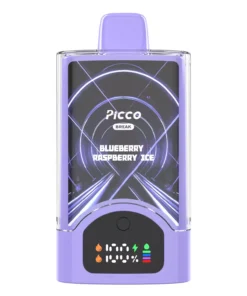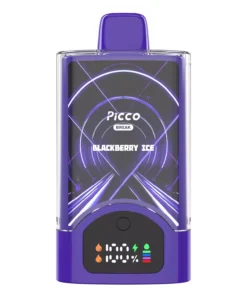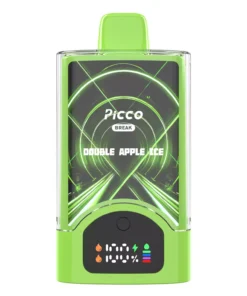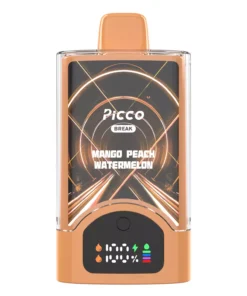
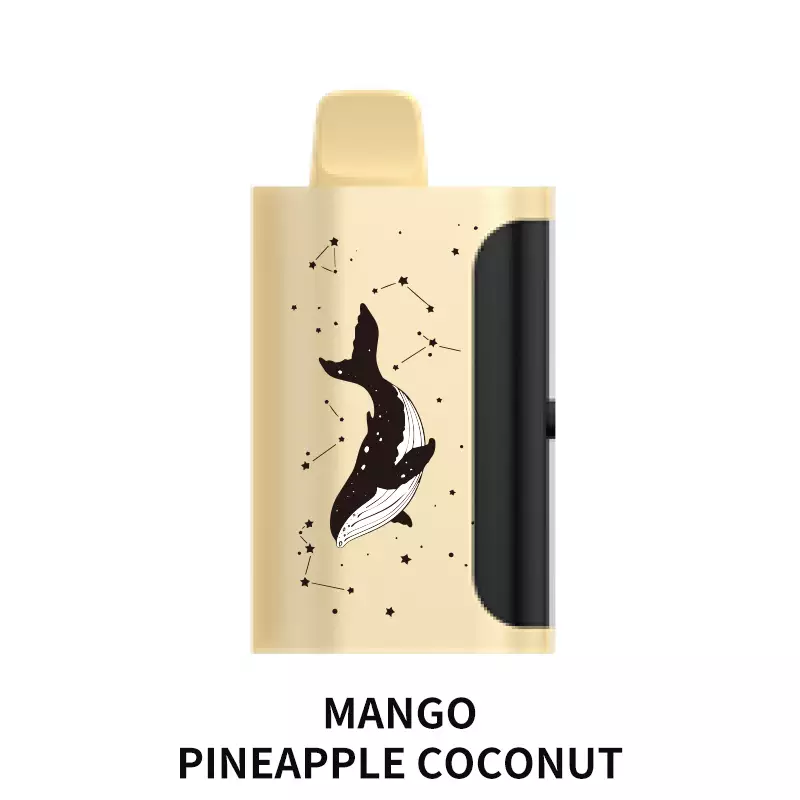
PICCO STAR 40000 Puffs Disposable Vape Mango Pineapple Coconut
Mango Pineapple Coconut is a three fruit blend where two of the fruits are a known pairing and the third is an addition to it. Pineapple and coconut already work together as a template, one supplying acidity and the other supplying a rounded finish, and mango is what changes that template rather than completing it as an equal third.
That distinction is the useful part of choosing this blend. What follows covers where the three fruits actually come from, why fruits that have nothing in common botanically layer without competing, and what the mango adds and takes away once it is in the mix.
The Hardware Behind This Blend
| Item | Detail |
|---|---|
| Puff rating | Up to 40000 |
| Tank | 28 ml prefilled and sealed, nothing to add |
| Cell | 1150 mAh, topped up on Type-C |
| Coil build | Quad Mesh, 0.8 ohm |
| Draw control | Airflow slider in the base, no power adjustment |
| Display | Charge and fill shown together |
| Body | PICCO-STAR |
| Range | 18 options |
Three Fruits From Three Kinds of Plant
Nothing about these three fruits is related, and that is not a small detail. A buyer looking at the label could reasonably assume a tropical blend is three versions of the same sort of thing. It is not.
A Tree Fruit, a Ground Plant and a Palm
A mango grows on a tree and carries a large flat stone in the middle, which makes it a stone fruit and puts it in a completely different botanical category from the other two. A pineapple grows on a low plant close to the ground and is not a tree fruit at all. A coconut comes from a palm, and what looks like a shell is the fruit itself.
Where the three actually come from
A mango is a tree fruit with a large flat stone at its centre, which makes it a stone fruit and nothing like the other two in the label.
A pineapple sits in the ground rather than on a branch, which is the reason it has no stone and no pit anywhere inside it.
A coconut is the fruit of a palm, and what looks like a shell is the fruit itself rather than a wrapping around it.
Why Unrelated Fruits Layer Cleanly
Because their aromas sit in different registers rather than competing for the same ground. The mango is heavy, soft and honeyed. The pineapple is bright and genuinely acidic. The coconut is round and almost weightless in aroma terms despite the fullness it suggests. Nothing in one of those is trying to be the other two, which is why the blend reads as three things rather than as one tropical smear.
This Is the Pineapple and Coconut Template With a Fruit Added
Pineapple and coconut is a construction rather than an accident. The pineapple supplies the acid that keeps the drink from tasting flat, and the coconut supplies the softness that stops the acid reading harsh. That combination is well known enough that a buyer probably recognises it before they open the listing, and it is a complete idea on its own.
What the Mango Changes
It fills out the middle and slows the finish down. Mango is a heavy aromatic fruit with a great deal of sugar and very little acid of its own, so adding it pushes the blend toward the soft end and gives the draw more body between the bright opening and the rounded close. Buyers who find a straight pineapple and coconut blend a little thin through the centre will notice the difference immediately.
What It Takes Away
Some of the sharpness, and the reason is worth stating plainly. Because mango brings so little acidity, the pineapple is left carrying the entire load, and a third heavy fruit in the mix dilutes that bright opening rather than supporting it. The result is a smoother and fuller blend than the template on its own, and a less bracing one. Neither is better, and a buyer who wants the acid to lead should take the pairing without the addition.
Running a Creamy Tropical Through 28 ml
A chamber of 28 ml is a long time with a rich blend, and this one sits in the middle of the range in terms of how well it carries. It will not drag in the way a confectionery profile can, because there is acidity in it doing the work of clearing the palate between draws. It will also not stay as bright across the whole fill as the sharper tropical blends do.
The honest guidance is to expect the profile to settle rather than to fade. What a buyer should watch is the capacity reading on the display, because a heavy blend does not announce the end of a fill in an obvious way. The airflow slider is the other thing worth using: opening it slightly keeps a rich mixture from arriving too densely, and it does so without changing how quickly the tank empties.
Where Mango Pineapple Coconut Sits in the PICCO STAR 40000 Range
This is the heaviest of the tropical options in the line and one of the few with no cooling in it. The cards below place it against the blends a buyer is most likely to be weighing it against.
| Taste | How it is built | Who tends to want it |
|---|---|---|
| Mango Pineapple Coconut (this blend) | A heavy aromatic fruit built into the pineapple and coconut pairing, with no cold layer. | A buyer who wants a rich tropical blend with weight behind it. |
| Kiwi Passionfruit Guava | Three aromatic fruits with a green edge and nothing creamy anywhere in it. | When the profile should be bright and fragrant rather than full. |
| Lychee Watermelon Ice | A perfumed fruit over a melon under a cold layer. | If the tropical blend should finish cool and stay light. |
| Peach Ice | A soft stone fruit closed by a chill, far gentler than this one. | When the fruit should be understated instead of rich. |
| Banana Ice | A single creamy fruit under a cold layer, simpler and sweeter still. | If a creamy profile should be one note rather than three. |
Questions About the PICCO STAR 40000 Mango Pineapple Coconut
What does this blend taste like?
Full and tropical rather than sharp. The mango comes in first and reads ripe and sweet, the pineapple sits through the middle and supplies the only real acidity in the mix, and a soft coconut note rounds the finish off. There is no cold layer, so the ending stays rounded rather than clipped short.
Is the coconut very strong?
It is the roundest of the three rather than the loudest, and it is doing a job rather than taking the lead. What a coconut note contributes here is a soft finish and a sense of fullness under the other two fruits. Buyers who want coconut as the point of a blend should look for a simpler pairing instead.
Which of the three comes through first?
The mango, which is the heaviest of the three in aroma terms. The pineapple arrives behind it and is what a buyer notices in the middle of the draw, and the coconut shows up at the end. That order is worth expecting, because the label lists them the way the recipe leans rather than the way a draw unfolds.
How does a rich tropical blend hold up across 28 ml?
Better than a sweet one and less cleanly than a sharp one. The pineapple’s acidity keeps the mix from coating the palate, but the mango and coconut both add weight, so a buyer who finds heavy profiles tiring over time is better served by a sharper tropical option. Opening the draw slightly keeps the profile from reading denser than it needs to.
What do I need before the first use?
One Type-C lead. The tank is sealed at the factory and cannot be topped up, while the 1150 mAh cell recharges and will need doing so several times before the reservoir runs out. The display carries both readings, which is the simplest way to keep track of where a fill has reached.
Buy disposable vapes in Australia
The decision here is about weight. This blend takes a recognised pineapple and coconut pairing and puts a heavy aromatic fruit into it, which makes the result fuller and slower and takes some of the sharpness out of the opening. Buyers who want a tropical profile with real body should take it, and buyers who want the acid to stay in front should take one of the brighter options in the same line. Keeping the draw slightly open is what stops a rich mixture reading heavier than it needs to.
Why SmokeOZ?
A blend of three tropical fruits is not the same product as a two fruit pairing with a third fruit layered over it, and the difference is one a buyer should be able to see before ordering.
Devices here are set out by how they are put together, so a heavy three fruit mix, a fragrant unchilled blend and a chilled single fruit can be compared in a single session. IGET, BIMO, ALIBARBAR, PICCO and ARVO are all held within that catalogue.
There is no trade application and no minimum above one device, so a single unit is an ordinary order rather than a special case. Devices are held locally in Australia and posted from an Australian warehouse, keeping the transit domestic, and the low pricing is the usual arrangement rather than a seasonal one. A mature supply chain is what allows both to hold.
See the PICCO STAR 40000 Puffs Mango Pineapple Coconut at SmokeOZ