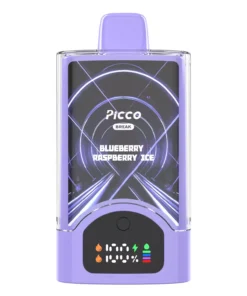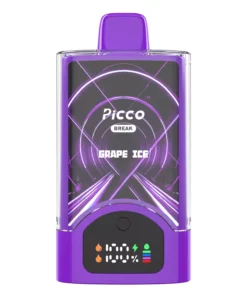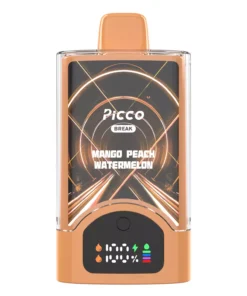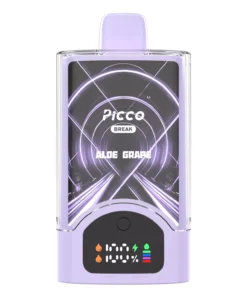
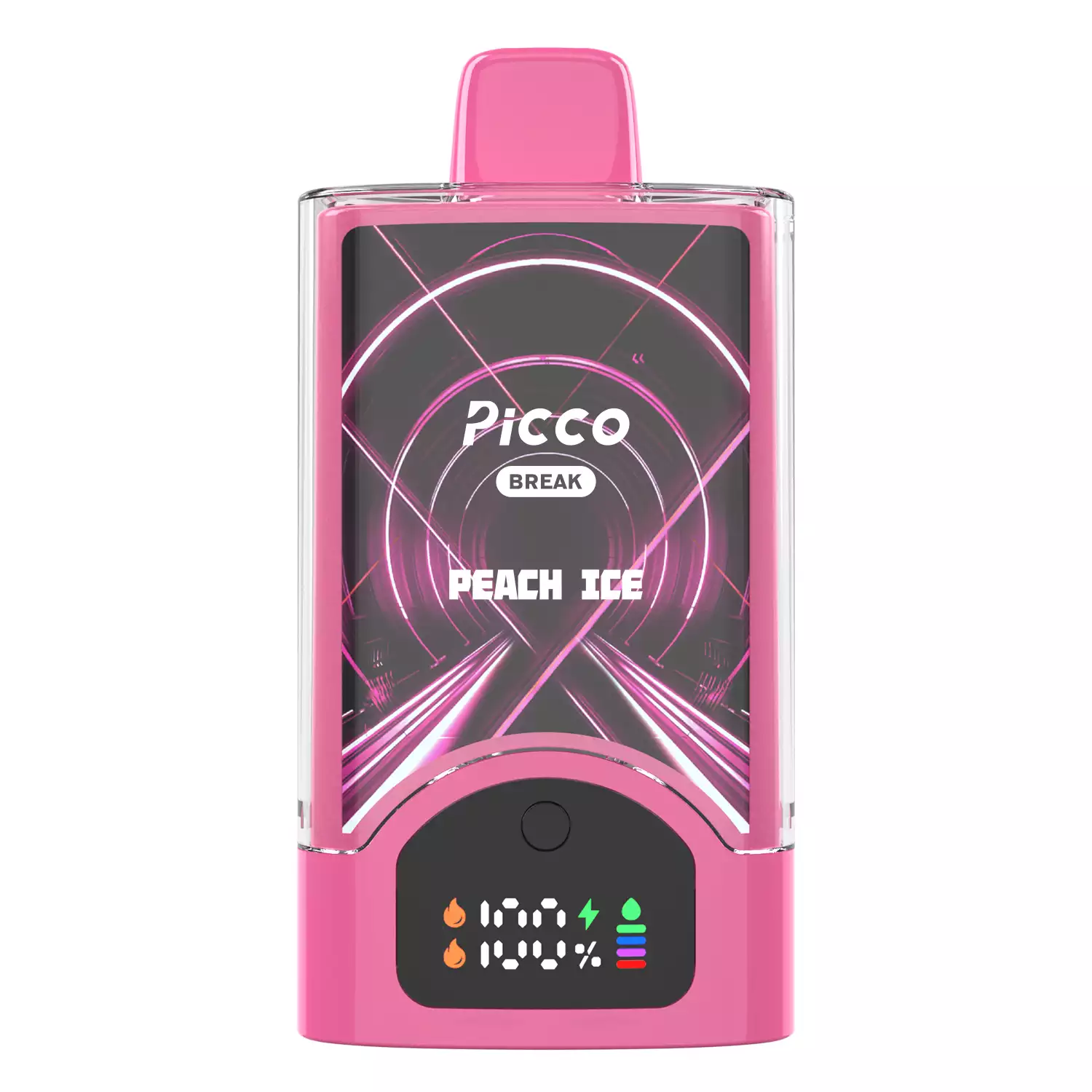

PICCO Break 30000 Puffs Disposable Vape Pineapple Ice
Pineapple Ice is the sharpest profile in the chilled half of this range, and the reason behind that is worth a moment, because it explains something a buyer will notice when comparing listings. A pineapple is not a single fruit. It is many individual berries that grew together and fused around a core, and the aroma works the same way, as a group of related compounds rather than one defining molecule.
That shapes everything about a pineapple taste, from why it reads bright in the first place to why two blends carrying the same name can end up in different places. It also sets up what the cold layer is and is not doing here, and where the output range tends to change the fruit.
The Hardware Behind This Blend
| Item | Detail |
|---|---|
| Draws quoted | 30000 at the lower output, around 20000 at the higher |
| fill held | 25 ml filled at the factory, sealed and not refillable |
| Cell and port | 1300 mAh internal, charged through Type-C |
| Lead | Not packed in, so a Type-C cable has to be sourced |
| Dial | Anything from 20 W up to 35 W |
| Mesh | Quad mesh resistance, 0.3 ohm to 0.6 ohm |
| Ceramic cores | Dual and Quad, moved between with three presses |
| Screen | One readout carrying charge and remaining fill |
| Weight | Around 55 g |
| Taste count | Twenty blends in this line |
A Pineapple Is Not One Fruit
Look at the outside of a pineapple and the surface is covered in a repeating pattern of diamonds. Each of those was a separate flower, and each went on to become a separate small fruit. They grow pressed against one another and fuse into the shape a buyer recognises, which makes a pineapple a multiple fruit rather than a single one.
Nothing about that is visible in a taste, but it is a useful way to think about what a pineapple blend is. There is no core note that everything else hangs from. There is a collection of materials that have to be balanced, and the arrangement is where a maker makes their choices.
Why the Taste Is an Assembly Rather Than a Single Note
Some fruit notes are close to being a single thing. A taste built around one dominant compound has an obvious target, and two makers working from it will land in roughly the same place. Pineapple does not work like that. Its character is spread across a family of related compounds that each carry part of the impression, and the ratio between them is what decides whether the result reads as fresh fruit or as boiled sweets.
The fruit also has an active quality that other fruits do not. A pineapple eaten fresh contains an enzyme that breaks protein down, which is the reason it can leave the mouth feeling worked over afterwards. It is a small detail about the real fruit, and it goes some way to explaining why pineapple reads as lively on the palate rather than merely sweet.
What That Means When You Compare Two Pineapple Blends
This is the practical part. Because a pineapple taste is an assembly, the name tells a buyer much less than the name of a single note fruit would. Two listings called pineapple can differ in how much of the acidic edge they keep, how far the sweeter flesh note is pushed forward, and whether a maker has leaned the profile toward the fruit or toward the drink made from it.
One fruit made of many
A pineapple is a multiple fruit. What looks like one fruit is in fact many individual berries that grew together and fused around a central core, which is why the outside has that repeating diamond pattern.
Its aroma is assembled the same way. There is no single molecule that says pineapple, the way there is for a fruit whose character rests on one compound. The note is a group of related compounds working together.
That has a practical consequence. A pineapple taste is an assembly decision, so two blends with the same name can land in noticeably different places.
Pineapple Brings Its Own Kind of Freshness
Most blends in this range depend on their cold layer for any sense of brightness. This one does not, and that changes what the cold is for. Pineapple carries genuine acidity, which registers in the mouth as a light tightening that clears the palate, and that sensation is entirely separate from the sensation of cold.
So the freshness a buyer gets here comes from the fruit first and the temperature second. What the cold layer contributes is a tidier close and less of a coating left behind, which matters more on a fill of 25 ml than it would on a small device. Buyers who want the sensation of cold to be the leading feature should look at one of the fruitless options in the range instead, because on this blend the fruit is not going to step aside for it.
Which Core Suits a Fruit With Two Halves
A pineapple has two sides to it that a buyer can separate if the delivery is right. The top is bright, aromatic and acidic. Beneath it sits the sweeter flesh note, softer and fuller. Dual Ceramic Core keeps those two apart by spreading the delivery across a draw, so the bright top arrives first and the sweeter body follows it, which is the arrangement most people picture when they think of fresh pineapple.
Quad Ceramic Core and the upper part of the wattage range merge them. More vapour and more warmth push the sweeter side forward while the bright top narrows, and the fruit reads fuller and less sharp. That is a legitimate profile, and some buyers will prefer it, but it is closer to a tropical drink than to the fruit itself.
Starting around 20 W to 24 W on Dual Core is the way to hear what the blend actually is before deciding whether to move it. On a fruit this bright the difference between the settings is easy to hear, which makes this a reasonable taste for working out a preferred position if a buyer has not settled on one.
What 25 ml Asks of a Sharp Profile
A sharp fruit has an advantage over a sweet one on a long fill, which is that it does not build up. Sugar accumulates on the palate across a session and a sweet blend gets heavier as it goes, while acidity clears the mouth and leaves the next draw starting clean. That is why a bright profile can still taste right at the bottom of a large reservoir.
The upkeep is the same as on every rechargeable device in this line. The fill is filled and sealed at the factory and cannot be added to, while the cell will run flat before the fill does. A Type-C lead needs to be part of the kit from day one, and the readout on the device shows how much fill is left alongside the charge level.
Where Pineapple Ice Sits in the PICCO Break 30000 Range
This is the brightest option in the chilled half of the line. The comparison below places it against the other cold blends so a buyer can judge how much sharpness they want before ordering.
| Taste | How it is built | Who tends to want it |
|---|---|---|
| Pineapple Ice (this blend) | A bright acidic tropical fruit with the cold arriving to tidy the close rather than to supply the brightness. | A buyer who wants a sharp profile that still ends clean. |
| Peach Ice | The softest of the chilled options, quiet by design and much gentler than this. | When the fruit should be understated rather than bright. |
| Mango Ice | A dense sugary tropical where the cold is holding the weight down. | If the tropical fruit should be rich rather than sharp. |
| Lychee Watermelon | A perfumed fruit over a melon base with no chilling anywhere in the blend. | For fragrance rather than for a cold finish. |
| Blackberry Ice | A deep drying dark fruit with a cold finish and no sugar pushing it forward. | When the fruit should be dark and dry rather than bright. |
Questions About the PICCO Break 30000 Pineapple Ice
Is this a sweet pineapple or a sharp one?
Sharp, and the sharpness is the fruit’s own rather than something added. Pineapple carries real acidity, which is the reason it reads as bright and lively rather than sugary, and it is also what keeps the profile interesting across a fill that lasts thousands of draws. The cold sits behind that and cleans up the finish rather than creating the brightness.
Why do pineapple tastes vary so much between brands?
Because a pineapple note is not one compound. The fruit’s aroma is a group of related materials that have to be balanced against each other, and the fruit itself is a cluster of berries rather than a single unit, so there is no fixed target the way there is for a taste built on one defining molecule. Two makers can both be honest and still land in different places.
Does the cold make it taste sharper?
Not sharper exactly, cleaner. A pineapple already supplies everything a buyer needs in the way of bite, so the cold layer here is not there to add edge. What it does is dry the finish slightly and stop the sweetness of the fruit from sitting on the palate between draws, which on a fill this size is worth having.
Which setting suits it best?
Dual Ceramic Core around the lower middle of the wattage range. Pineapple has a bright aromatic top and a sweeter flesh note beneath it, and the lighter delivery keeps the two apart so the fruit stays legible. Push the output up and the sweeter side grows while the bright top narrows, which turns a sharp fruit into a heavier one.
What do I need to know before the first use?
That the device recharges and the box does not include the means to do it. A 1300 mAh cell will not see a 25 ml fill through in one go, so a Type-C lead is part of running this device rather than an optional extra. The screen tracks charge and fill together, and both figures are worth a glance before a long day out.
Buy disposable vapes in Australia
The useful thing to settle before ordering is whether the fruit should be sharp or soft. This one is sharp, and the sharpness is the pineapple’s own acidity rather than anything the cold layer contributes, which is why the taste stays lively from the first draw to the last of a large fill. Buyers after a gentle chilled profile should look at the peach instead, and buyers who want the cold itself to be the headline should take one of the fruitless options. Dual Core at the lower middle of the range is where the two halves of this fruit stay most clearly apart.
Why SmokeOZ?
Two listings carrying the same fruit name are not always the same product, and the tastes with the most room to differ are the ones where the fruit has no single defining characteristic.
Each device in this catalogue is described by how it is put together, so a bright chilled tropical, a soft stone fruit and a fruitless cold option can all be reviewed together rather than across separate shops. IGET, BIMO, ALIBARBAR, PICCO and ARVO are held in that one catalogue.
Nothing stands between a buyer and a single device here. No trade account is needed and no minimum sits above one unit. Local stock is held in Australia and orders are sent from an Australian warehouse, so the wait stays domestic, and the low pricing reflects how the catalogue is run rather than a limited campaign. A supply chain that is already established is what keeps both in place.